The right fire cabinet is decided by the environment it sits in, the fire risk it serves, and the budget and certification the project allows — not by price alone. This guide compares the three families SOKEI manufactures and tells you which to specify.
Quick answer: choose carbon steel for general indoor commercial buildings on a budget, stainless steel for coastal, hygienic or architectural environments, and a foam hydrant system wherever flammable liquids are present.
Comparison at a glance
| Factor | Carbon Steel | Stainless Steel (SUS 304/316) | Foam Hydrant System |
|---|---|---|---|
| Material | Powder-coated carbon steel | SUS 304 / SUS 316 | Stainless or carbon steel |
| Best for | Offices, malls, schools, residential | Hospitals, metro, mosques, coastal, cleanrooms | Tunnels, marine/wharf, petrochem, warehouses |
| Corrosion resistance | Good (coating-dependent) | Excellent (304) / marine-grade (316) | Per chosen build |
| Fire class | A (general) | A (general) | B (flammable liquids) |
| Relative cost | Lowest | Higher | Project-specific |
| Typical finish | Red / RAL powder coat | Brushed or mirror | Functional / coated |
All three lines are made to the same certification baseline — ISO 9001 / 14001 / 45001, CCCF 3C, GB 14561, with third-party EN 60529 Certificates of Conformity for enclosure ingress protection (IP rating).
When to choose L1 carbon steel
carbon steel fire hose cabinets are the most cost-efficient choice for general commercial construction — offices, malls, schools, residential and light industrial. Electrostatic powder coating (≥70 microns) resists corrosion, scratches and UV, holding its finish through tropical heat and humidity. Specify carbon steel when the cabinet is indoors or sheltered and the project is price-sensitive but still needs full fire-code compliance.

When to choose L2 stainless steel
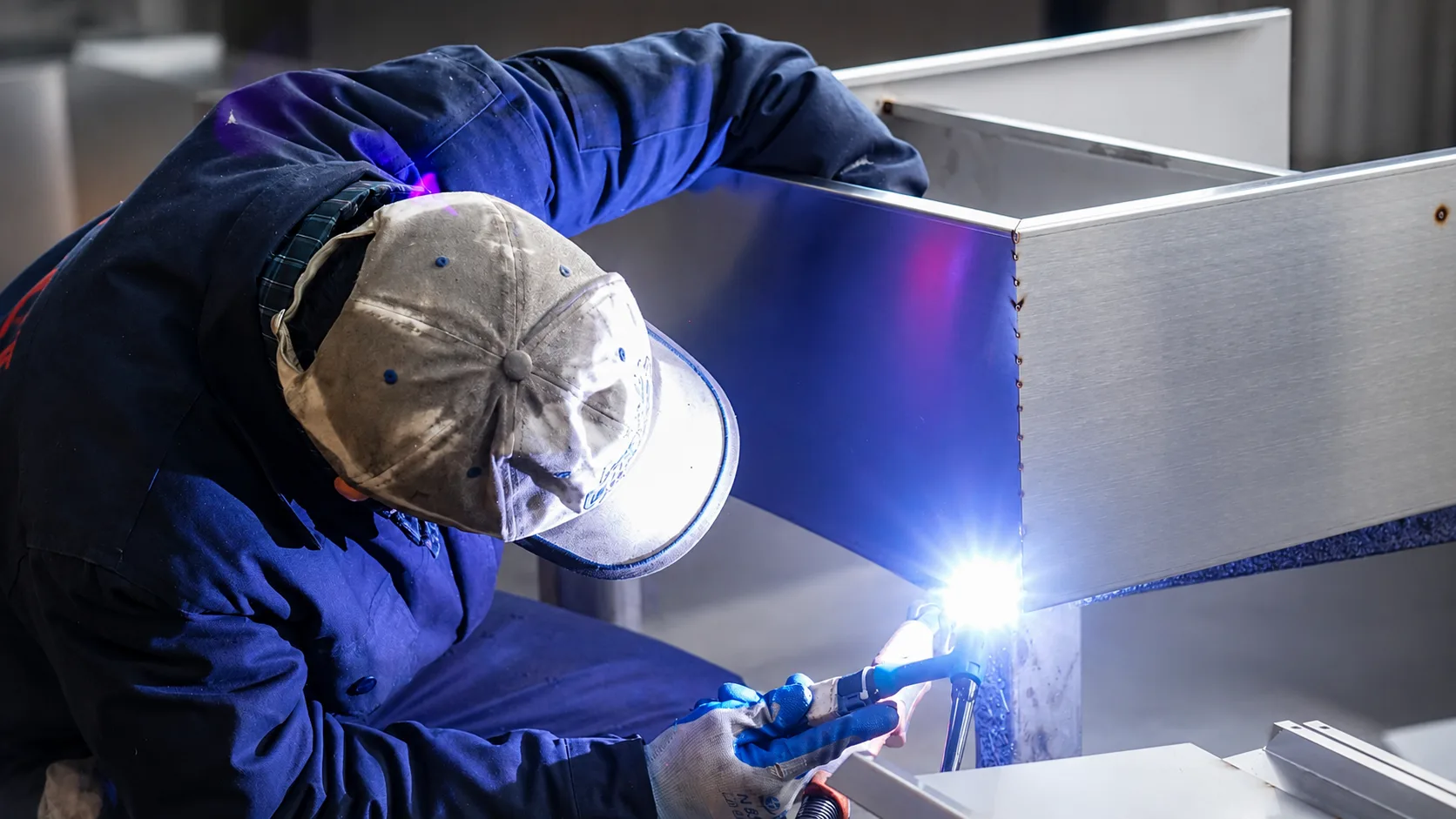
stainless steel fire hose cabinets are for environments where corrosion resistance, hygiene or appearance matters — hospitals, metro and high-speed rail, food and pharma plants, mosques, five-star hotels and flagship architecture. Use SUS 304 for premium general use and SUS 316 for coastal and chemical exposure (see our SUS 304 vs 316 guide).
When to choose L3 foam systems
foam hydrant systems exist for one reason: water spreads flammable-liquid fires, foam smothers them. Specify foam wherever fuel, oil or solvents are present — tunnels, marine and wharf, petrochemical refineries and high-risk warehouses. The platform includes cabinets plus foam-water deluge valves and spray nozzles for a complete Class B system from one manufacturer.
Still unsure?
Send the project type, location (coastal or inland) and the fire class you need to cover. SOKEI offers free OEM, local-language labels in five languages, and 7-day samples — so you can confirm the right build before committing. Request a quote.